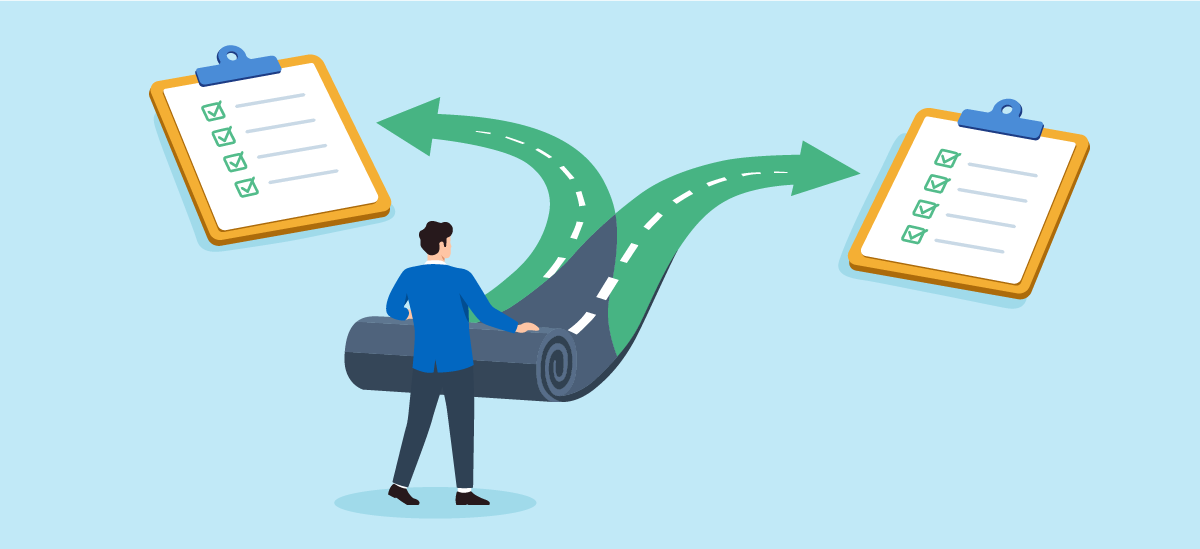
Term loans and lines of credit both offer ways for businesses to access financing, so it’s important to understand how each works and which option may better support your business.
- Term loans provide a lump sum with fixed repayment schedules, which may help businesses plan for large, one-time expenses.
- Lines of credit offer flexible access to funds, allowing businesses to borrow and repay as needed based on changing cash flow.
- The total cost of each option may vary depending on interest rates, fees, and how funds are used over time.
- Lenders typically evaluate credit history, cash flow, and time in business when determining eligibility for either product.
- The right choice often depends on whether your business needs predictable financing or ongoing flexibility.
Many business needs are funded by sales and revenue, but sometimes a project or an emergency requires more than just savings. A term loan or a line of credit may help cover funding gaps or finance larger projects without disrupting daily operational cash. Understanding the difference between these options may help you choose financing that aligns with your business goals.
Understanding Term Loans and Lines of Credit
Each option differs in how funds are approved, accessed, and repaid.
Defining Term Loans and Lines of Credit
A term loan provides a lump sum with scheduled payments happening over a set period of time. Businesses often use term loans for:
- Larger, planned expenses such as equipment purchases
- Expansion projects or renovations
- Other business investments with a defined cost
A business line of credit offers flexible access to funds up to a set limit. Businesses may borrow, repay, and borrow again as needed. Common uses may include:
- Short-term working capital needs
- Smoothing out uneven cash flow
- Covering unexpected expenses
How Funds Are Accessed and Repaid
The way businesses access funds and repay them differs slightly between term loans and lines of credit. Term loans are approved for a specific amount and repaid on a fixed schedule. Interest rates and payment amounts are established upfront and remain consistent throughout the loan period.
A line of credit works as a revolving source of funds. Businesses may draw from the available balance, repay what they use, and access funds again as needed. Interest is typically charged only on the amount borrowed, not the full credit limit. Rates may vary depending on the product, and minimum payments may apply during the draw period.
Real-World Examples and Best Uses
A term loan may be a good fit when the business knows the costs upfront, and the loan is tied to a long-term investment. For example:
- A restaurant wants to replace outdated kitchen equipment. It has a specific budget in mind to cover the replacement, as well as what it can afford to repay during the loan terms.
- A retailer is opening a second location and needs upfront funding. Using only its savings will offset its stability over the next few years, so a term loan with a lump sum helps cover those costs until the second location is running.
- A manufacturer is purchasing machinery for long-term use. The manufacturer knows how much the machinery will cost and needs a set repayment schedule to plan around daily operational expenses.
A line of credit may be more useful when funding needs are ongoing, variable, or tied to timing gaps in cash flow. For example:
- A service business needs to manage payroll during slower months. It’s unclear yet how many people will remain on schedule during this period, so the business needs flexibility to cover paychecks.
- A contractor is beginning work on a new project. The client pays a 50% deposit, which will cover some materials, but the contractor needs more funds to finish. The line of credit supplies the rest of the funds for materials so that the contractor can finish the project and receive the rest of the client’s payment.
- A retailer is preparing for seasonal or holiday inventory needs. There are projections in place that help estimate future inventory needs, but extra funding may be necessary to reorder something that unexpectedly goes viral.
Unpredictable expenses may make it difficult to estimate how much to apply for in a traditional loan. The flexibility of a line of credit may allow the company to make financial decisions more quickly.
Evaluating Costs and Payment Structures
How do you know if a particular term loan or line of credit is the right one? It may help to consider a few scenarios.
Interest Rates and Payment Calculations
The cost of a term loan may be easier to predict because the payment amounts, interest rates, and repayment period are set in advance, making it easier to plan around repayment. This might give a business more stability for the long term.
With a line of credit, the total cost depends on how much is borrowed, how long balances are carried, and whether rates are fixed or variable. Borrowing small amounts and repaying quickly may help reduce the overall cost.
Qualification and Application Considerations
The application process for both term loans and business lines of credit involves documentation of your business’s history and your own creditworthiness. Some lenders may also require assets as collateral to secure the loan. Specific paperwork and credit benchmarks might vary, but here’s an idea of some common things to expect during the application process.
What Lenders Look For
Lenders want to know that the business itself is stable enough to meet its payment obligations. This process may include a careful review of the business’s history and industry. Other factors may include daily cash flow, revenue projections, existing debt obligations, and the purpose of the funding.
For term loans, lenders may focus more closely on the business’s ability to support regular repayment over the full term of the loan. They may also consider the planned use of funds and whether the investment is likely to support business performance. Gathering documentation and conducting a careful review of your business goals may help make this clearer before the application.
A line of credit is a little more unpredictable. Here, lenders may pay more attention to cash flow patterns and the business’s ability to manage short-term debt responsibly. Because a line of credit is often intended for ongoing access to funds, lenders might want assurance that the business can borrow and repay at any time without becoming overextended.
Some lenders may also require collateral or a personal guarantee, depending on the product, loan amount, and credit profile. Discussing the process with a lending partner ahead of time may clear up any questions and keep the process straightforward as you begin your application. Additionally, preparing financial statements, tax returns, bank records, and a clear explanation of how you'll use the funding may help support the application process.
Choosing the Product That Fits Your Needs
There are many factors that go into determining which of these funding options best fits your business needs. A thorough review of your business and future forecasts may help you be better prepared for the application process, but also give you a more reliable foundation to decide between a term loan and a business line of credit.
Decision-Making Guide
The interest rate may be the first place companies look when making decisions about a loan or line of credit. This may help narrow down options, but businesses may want to consider the entire picture.
It may also help to look beyond the interest rate and evaluate the full cost and structure of the financing:
- Identify all upfront costs, such as origination fees or application fees, which may increase the initial cost of financing.
- Check for ongoing fees, including annual maintenance fees or account fees that may apply over time.
- Understand draw fees for lines of credit, as some lenders may charge a fee each time funds are accessed.
- Evaluate repayment structure and timing, including whether payments are fixed or variable, and how they may fit into your cash flow.
- Look for prepayment fees, which may affect your ability to pay down the balance early without additional cost.
- Estimate the total borrowing cost over time, based on how long you expect to carry the balance and how frequently you draw funds.
- Compare flexibility versus predictability, weighing whether a structured repayment plan or on-demand access to funds better aligns with your financial needs.
It may also help to consider any specific circumstances that make your business’s funding application unique. For example, if your business is newly established or has limited operating history, lenders may place more emphasis on personal income and credit.
Choose the Right Funding Options for Your Business
Term loans and business lines of credit serve different purposes in a business’s financial process. Understanding how these funding options work helps companies choose the right option. Aligning your choice to the specific business goal may help ensure the money supports the best possible outcome.
Speaking with a trusted banking professional may help provide clarity on what is possible with either option. Businesses may ask questions and receive guidance as needed, becoming better positioned to choose the option that supports both immediate needs and long-term stability.