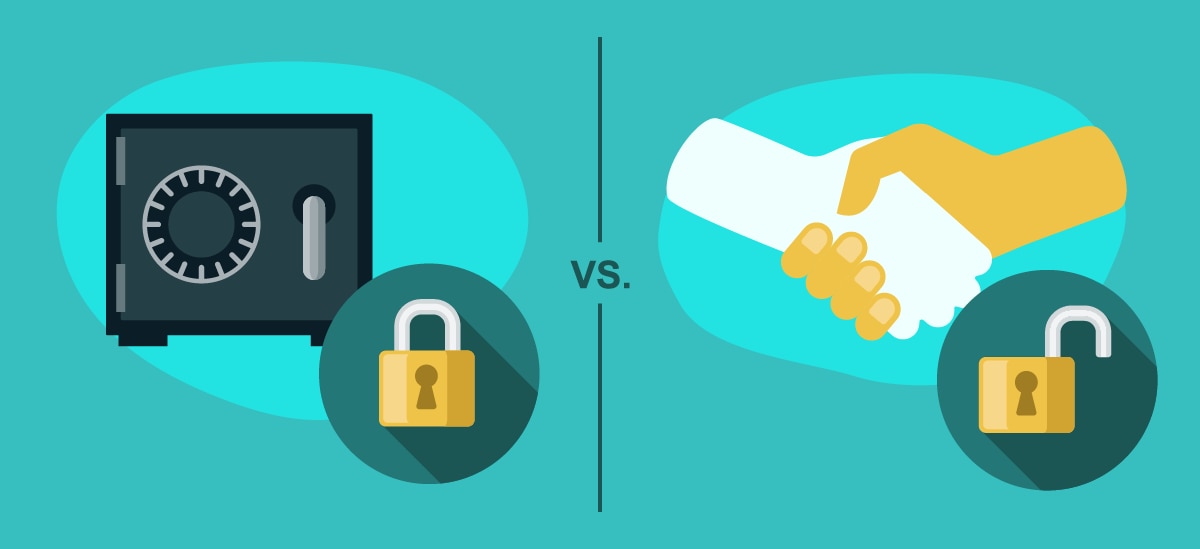
- Secured business lines of credit require collateral and may offer lower rates and higher limits, but potentially put assets at risk.
- Unsecured business lines of credit don’t need collateral and may have faster approval, but usually mean higher rates and lower limits than secured lines of credit.
- Prepare your application with financial documents, understand lender requirements, and consider expert advice.
As a small business owner, access to flexible financing can make a big difference. It may help you manage cash flow, cover unexpected costs, or fund your next stage of growth. A business line of credit may offer that kind of flexibility, but not all lines of credit work the same way.
In this guide, we’ll break down the difference between secured and unsecured business lines of credit. You’ll learn how each one works, what to consider, and how to choose the option that can best support your business goals.
Understanding Secured and Unsecured Business Lines of Credit
Firstly, let’s take a moment to understand exactly what secured and unsecured business lines of credit are.
Definition of Secured Business Line of Credit
A secured business line of credit requires collateral to back the credit. This may include assets like inventory, equipment, or accounts receivable, for example. This collateral provides assurance to lenders, potentially leading to higher credit limits and more favorable interest rates. If repayment obligations aren't met, or another default occurs however, the lender may foreclose on and sell the collateral to recover the owed amount.
For example, a construction company might secure a business line of credit using its heavy machinery as collateral. This may give the company access to a larger credit limit at a lower interest rate. These business owners may then draw from this when paying for materials or covering payroll during a slow season.
Definition of Unsecured Business Line of Credit
An unsecured business line of credit, on the other hand, doesn't require collateral. Approval is primarily based on the business's creditworthiness, financial statements, and credit history.
For example, a digital marketing firm with a strong credit profile and consistent revenue might qualify for an unsecured line of credit. This could help cover short-term expenses like software subscriptions or hiring freelance help during busier seasons, without tying up any business assets.
While this option might offer quicker access to funds, it often comes with stricter credit requirements and potentially higher interest rates due to the increased risk for lenders.
Comparing Secured vs. Unsecured Business Lines of Credit
Now that we've defined secured and unsecured lines of credit, let's delve into their differences. Understanding these variations may help you determine which option might align best with your business's financial strategy.
Key Differences in Terms and Conditions
Collateral requirement
A secured line of credit requires you to back the loan with something of value, like real property, inventory, accounts receivable or equipment. This gives the lender some security in case you're unable to repay or otherwise default.
For example, if you use your delivery van as collateral and can’t repay the loan, the lender may foreclose on and sell the van.
With an unsecured business line of credit, no collateral is needed. However, you’ll likely need strong credit and solid financials to qualify.
Interest rates
Because secured business lines of credit involve less risk for the lender (due to the pledged collateral), they typically come with lower interest rates. That means you may pay less over time.
Unsecured lines tend to have higher interest rates since the lender takes on more risk with out an asset backing the loan.
Credit limits
Secured lines usually offer higher credit limits because the lender uses the value of your collateral to help determine how much they’re willing to lend.
For example, a business pledging $150,000 in equipment might qualify for a higher limit than one applying with no assets.
Unsecured lines often come with lower limits, especially for newer or smaller businesses without a lengthy credit history.
Approval process
Getting approved for an unsecured business line of credit is often faster than it would be for a secured business line of credit, but the requirements may be stricter. Lenders often take a close look at your credit score, business history, revenue, and debt levels.
Secured lines may take longer to process because the lender needs to assess the value of your collateral and verify its ownership.
Impact on Business Credit and Credit Limit
How you use and repay a business line of credit can shape your credit profile over time. For example, if you consistently pay back what you borrow — whether from a secured or unsecured line — it may boost your credit score. This could help you qualify for higher limits or better loan terms later on. But if you miss payments or carry a balance for too long, it could potentially hurt your credit and make it harder to borrow in the future.
Benefits and Risks of Secured Business Lines of Credit
Secured lines of credit can offer helpful funding options. However, they may also come with some trade-offs. Let’s take a closer look at the pros and cons so you can decide what option might be right for your business.
Benefits for Borrowers
Lower interest rates
Because a secured business line of credit is backed by an asset — like a vehicle, equipment, accounts receivable or other property — lenders take on less risk. As a result, they may offer you a lower interest rate compared to an unsecured option. This could help you save money over time, especially if you plan to borrow a large amount or need the funds for an extended period.
Higher credit limits
The more valuable your collateral, the more you may be able to borrow. This is because lenders often use the collateral’s value to determine your credit limit.
For example, if you pledge $75,000 worth of equipment, your line of credit may give you access to a higher amount than you might get with an unsecured loan.
Flexible spending
With a secured business line of credit, you can typically draw funds as needed and use them for many different business purposes. You only pay interest on what you use, which may help keep costs under control.
Potential Risks and Considerations
Risk to your assets
When a business line of credit is secured, your collateral is at stake. If you're unable to repay what you've borrowed, the lender may take possession of that asset.
For example, if you used a company vehicle as collateral and fell behind on payments, or otherwise defaulted, the lender may reclaim the vehicle. This could disrupt your business operations.
Valuing your collateral
Determining how much your asset is worth isn’t always simple. Lenders may use conservative valuations to protect their interests, which could lower the amount you’re able to borrow.
It’s a good idea to have your collateral professionally appraised, especially if you’re counting on its value to qualify for a higher limit.
Benefits and Risks of Unsecured Business Lines of Credit
For businesses without major assets, unsecured lines could be a helpful tool. Still, it’s important to understand the advantages and the potential downsides.
Advantages for Business Owners
No collateral needed
With an unsecured business line of credit, you don’t need to pledge any business or personal assets. This means that the lender does not obtain a lien and security interest against the borrower’s assets and must obtain a judgment before foreclosing on and selling the assets in a default scenario.
Faster approval
Because lenders don’t need to assess or verify collateral, the approval process is often quicker.
This may be helpful if you’re facing a time-sensitive situation, like an unexpected expense or a limited-time opportunity to restock inventory at a discount.
Beneficial for newer businesses
If you have a startup or newer business that hasn’t built up assets, you may still qualify for an unsecured line of credit — especially if you have strong personal or business credit.
Potential Drawbacks and Risks
Higher interest rates
Because lenders take on more risk without collateral, interest rates on unsecured lines of credit are usually higher. Over time, this may increase the total cost of borrowing — especially if you carry a balance from month-to-month.
Lower credit limits
Without collateral, lenders tend to offer smaller credit limits. That means you may not have as much financial flexibility compared to a secured option.
Stricter credit requirements
Lenders typically look closely at your business’s credit history, financial performance, and even your personal credit.
Suitability for Different Business Needs
Choosing between secured and unsecured business lines of credit depends on your business's specific circumstances and financial goals. Here are some scenarios where each option might be more appropriate.
Situations Ideal for Secured Lines
You have valuable assets
If your business owns assets like real property, vehicles, equipment, accounts receivable, or inventory, you may be able to use them as collateral. This might help you qualify for a higher credit limit and more competitive interest rates.
For example, a manufacturer might use its production equipment to secure a line of credit, which may give them access to a larger pool of funds to ramp up operations during peak season.
You need a large amount of funding
Secured lines may allow you to borrow more, which is helpful for major investments that would be difficult to finance with cash flow alone.
For example, a retail business expanding to a second location might use a secured line of credit to finance renovations and initial inventory without dipping into savings.
You’re planning long-term investments
If you're funding something like product development or a new piece of equipment with a long return-on-investment (ROI) timeline, a secured business line of credit may offer more favorable terms and stability over time.
For example, a landscaping company might secure a business line of credit to purchase a fleet of trucks, then pay it down gradually as new contracts come in.
Scenarios Best for Unsecured Lines
You’re a newer business
Considering an unsecured business line of credit for a new business? If you're an early-stage business without major assets to pledge, an unsecured business line of credit may be more accessible. While your credit limit might be smaller, it may still provide vital working capital as you grow.
For example, a small graphic design studio in its first few years of operation might use an unsecured line to cover expenses (such as software renewals or part-time help) during a slow month.
You have short-term cash needs
An unsecured line of credit may be a helpful solution when you need funds quickly to cover a temporary cash flow shortage.
For example, a bakery may draw on its unsecured line of credit to cover ingredient costs for a large catering order, knowing it will be repaid within weeks when the invoice is paid.
Your credit is strong
If your business has a good financial track record and strong credit, you may qualify for unsecured financing with terms that are still competitive, even without putting up assets.
For example, a consulting firm with several years of steady revenue might use its credit history to qualify for an unsecured line that supports short-term hiring or marketing campaigns.
Choosing Between Secured and Unsecured Business Lines of Credit
Now that we’ve covered the ins and outs of secured and unsecured lines of credit, it’s time to think about what works best for your business. Choosing the right option depends on your current financial position, what you have to offer as collateral, and what you need the funds for.
Factors to Consider
Business stage
Where you are in your business journey may influence which type of credit makes more sense. If you’re a newer business without significant assets, an unsecured business line of credit may be a more accessible option, especially if you need flexibility or quick access to funds. On the other hand, if you’ve been operating for a while and have built up valuable assets, a secured line may help you unlock higher credit limits and lower rates.
Asset availability
A business secured line of credit typically requires collateral. This could be real estate, vehicles, equipment, accounts receivable, or even inventory. If your business owns these types of assets, you may be able to use them to your advantage. However, if you don’t have assets to pledge (or you’re not comfortable putting them at risk), an unsecured option may be a better fit.
Credit profile
Your credit history may also play a huge role in determining eligibility. A business with a strong credit score and consistent payment history might qualify for an unsecured line with competitive terms. If your credit is still developing, offering collateral may help you gain approval or receive better rates with a secure business line of credit.
Funding needs
Think about how much you need to borrow and why. If you're planning to take on a large project, purchase inventory in bulk, or invest in long-term growth, the higher borrowing limits that often come with secured lines may be worth considering. But if your needs are short term — like covering payroll during a seasonal dip or handling unexpected repairs — an unsecured business line of credit may offer a faster solution.
Tips for the Application Process
Applying for a business line of credit, whether secured or unsecured, can feel like a big step for any business owner. Thankfully, preparation can go a long way in improving your chances of approval and helping the process go smoothly.
1. Get your documents in order
Lenders typically want a clear picture of your business’s financial health. That means having updated and accurate documents on hand. This might include tax returns, profit and loss statements, balance sheets, and cash flow projections. If you're applying for a secured business line of credit, you may also need to provide documentation for the assets you're offering as collateral.
Think of it this way: the more organized and transparent your paperwork is, the easier it may be for a lender to make a decision.
2. Know what lenders are looking for
Each lender may have slightly different criteria, but most will look at things like your time in business, annual revenue, credit score, and debt-to-income (DTI) ratio. Understanding these expectations ahead of time can help you figure out where you stand. For example, if your business is still young or your credit score is borderline, you may want to consider building credit or exploring secured options to boost your chances of approval.
3. Build and protect your credit
Your credit profile plays a major role in your application, especially for an unsecured business line of credit. Good credit signals to lenders that you’re a reliable borrower. That means staying current on payments, keeping your credit utilization low, and regularly reviewing your credit reports for any errors. A solid credit foundation helps with approval and may lead to better interest rates and terms.
4. Get professional guidance if needed
Financing decisions can feel overwhelming, especially if this is your first time applying for a business line of credit. Don’t be afraid to seek out expert advice. A trusted accountant, financial advisor, or business banker can help you understand what to expect, walk you through the application process, and even help identify the best type of credit for your situation.
5. Take your time and ask questions
This isn’t a decision you need to rush. Ask questions about terms, repayment schedules, fees, and how the credit line works day-to-day. Understanding the fine print now may help you avoid unwanted surprises later.
Finding the Right Line of Credit for Your Business
At the end of the day, choosing between a secured and unsecured business line of credit comes down to what works best for your business right now — and for the foreseeable future. Think about what you need the funds for, what you’re comfortable putting on the line, and how strong your credit is.
There’s no one-size-fits-all answer. But with a little planning and the right advice, you can find a credit option that allows your business to move forward with confidence.