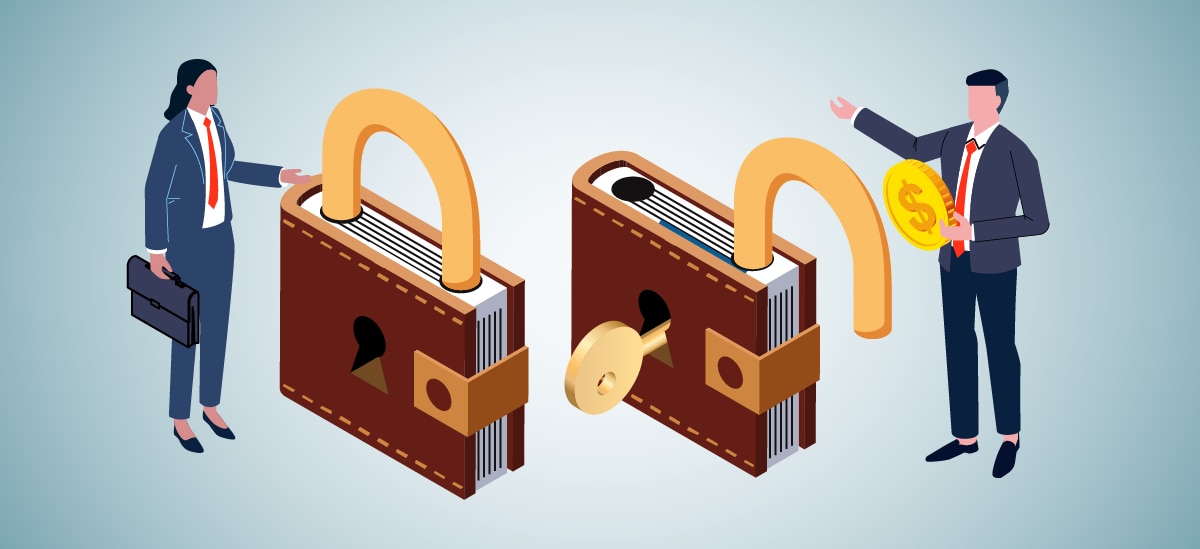
- Secured loans require collateral (like property or equipment), typically offer lower interest rates, and generally allow for larger loan amounts and longer repayment terms.
- Unsecured loans don’t require collateral but may have higher interest rates, shorter terms, and stricter approval criteria based on credit and financial history.
- Common secured loans include term loans, equipment financing, lines of credit and commercial real estate loans, while unsecured options include business credit cards, merchant cash advances, and lines of credit.
- Secured loans means that the lender obtains a lien and security interest against the borrower’s assets and may foreclose on the lien and sell the assets in a default scenario. Unsecured loans means that the lender does not obtain a lien and security interest against the borrower’s assets and must obtain a judgement before foreclosing on and selling the assets in a default scenario. Both secured and unsecured loans may require a personal guarantee .
- Choosing the right loan depends on your business goals, creditworthiness, funding timeline, and risk tolerance.
Securing the right financing is a crucial step in driving your small business forward. Whether you're aiming to expand operations, manage cash flow, or invest in new opportunities, understanding your loan options is vital.
Among the most common funding choices are secured and unsecured business loans. This guide breaks down the key differences between these two types of loans and how to choose the best option for your business needs.
Secured vs. Unsecured Business Loan: Understanding the Basics
To start, it’s important to understand the basic definitions of these two types of loans.
Definition and Overview of Secured Loans
A secured business loan is backed by collateral. This is something your business owns, such as property, equipment, accounts receivable, or inventory. Collateral serves an important function, because the lender may foreclose on and sell the asset if you default. Because collateral provides the lender with an additional source of repayment and creates less risk for the lender, secured small business loans often come with lower interest rates and may allow you to borrow larger amounts than unsecured loans.
Definition and Overview of Unsecured Loans
An unsecured business loan doesn’t require collateral to back the loan. Instead, lenders generally look at your credit score, business history, and overall financial health. While you aren’t required to grant a lien on a specific asset, interest rates may be higher. Additionally, it could be harder to qualify for an unsecured small business loan, especially if your credit profile isn’t strong.
Features of Secured Business Loans
Now that we've outlined the basics, let's delve deeper into the features that define secured business loans.
Collateral Requirements for Secured Loans
To obtain a secured loan, you’ll need to put up collateral. This gives the lender reassurance that they have a way to recover losses if you default.
Here are some common types of collateral small business owners use:
- Real estate: Commercial property or land owned by your business
- Equipment or machinery: Items like trucks, manufacturing tools, or technology systems
- Inventory: Products or goods your business has in stock
- Accounts receivable: Outstanding invoices that you expect to collect from customers
- Vehicles: Business-owned cars, vans, or delivery trucks
- Deposit/money market/investment accounts: Sometimes referred to as “cash collateral”
Generally, the more valuable and liquid the asset (how quickly it can be turned into cash), the more favorable your loan terms might be. Lenders may also assess the condition of the asset and whether it’s already tied to other loans.
How Secured Business Loans Work
When you apply for a secured loan, you agree to offer one or more assets as collateral. If approved, you'll receive the loan amount — either as a lump sum or in installments — depending on the loan type.
Here’s what typically happens next:
- Loan disbursement: Once the loan is approved, loan documents signed, and closing conditions satisfied, funds are disbursed and repayment begins based on the agreed-upon schedule (monthly, quarterly, etc.).
- Security agreement: The lender may exercise rights against the asset if you miss payments or go into default.
- Repayment and release: Once the loan — and all other obligations to the lender that are also secured by the collateral — are fully repaid, the lien against your collateral is released.
Common Types of Secured Business Loans
There are several types of secured loans for small businesses, each with a specific purpose. These include:
Term loans
These are traditional business loans where you receive a lump sum up front and repay it over a fixed period, often with regular monthly payments.
Example: You might use a term loan to open a second location or invest in long-term upgrades, putting up real estate or equipment as collateral.
Equipment financing
This loan is designed specifically to purchase equipment, and the item you’re buying typically acts as the collateral. It may be an option if your business needs machinery, vehicles, or specialized tools.
Example: A construction company might finance a new excavator, with the excavator itself backing the loan.
Commercial real estate loans
These loans help you buy, refinance, or improve business property. The property being financed becomes the collateral.
Example: A restaurant owner may use this loan to buy a new location, with the building itself as security.
Secured business lines of credit
Some business lines of credit require collateral. You may draw from the credit line as needed and only pay interest on the amount used.
Example: A retail business might secure a line of credit using inventory, then draw from it during seasonal slow periods.
Features of Unsecured Business Loans
Now that we’ve covered secured loans, let’s take a closer look at the ins and outs of unsecured loans.
No Collateral Requirement Explained
The fundamental difference with unsecured small business loans is that they don’t require you to put up collateral. That means you won’t need to offer property, equipment, or inventory to back the loan.
Instead of looking at your business assets, lenders focus on your financial health. They’ll typically review:
- Your personal and business credit scores
- How long your business has been operating
- Annual revenue and cash flow
- Business tax returns and bank statements
Because there’s no asset to fall back on, lenders might set stricter requirements. A strong financial track record may improve your chances of approval and help secure better rates and terms.
How Unsecured Business Loans Function
Unsecured small loans are typically approved based on your creditworthiness and overall business performance. Once you’re approved, you receive the loan funds — either as a lump sum or a line of credit — and begin making regular payments.
Here’s what you might expect:
- Faster approval: Since there's no collateral to appraise, the application and funding process may be quicker.
- No risk to specific physical assets: If you fall behind on payments, your property or equipment won’t be immediately at risk. However, defaulting may still affect your credit and result in legal action.
- Higher interest rates: Because lenders take on more risk, unsecured loans often come with higher rates and shorter repayment periods.
- Personal guarantees: Some lenders may require a personal guarantee, meaning you’re personally responsible for the debt if your business can’t repay it.
Popular Types of Unsecured Business Loans
Small businesses have several options for unsecured loans for small businesses. These include:
Business credit cards
Credit cards offer a revolving line of credit for everyday expenses, supplies, or emergencies. You only pay interest on what you spend (and when you don't pay off your full balance on time), and they may also help to build your business credit.
Example: A freelance designer might use a business credit card to buy software or other materials.
Merchant cash advances (MCAs)
With this option, you receive a lump sum in exchange for a percentage of your future credit card sales. It’s not technically a loan, but rather a cash advance repaid through daily or weekly deductions.
Example: A coffee shop that processes many card transactions might use an MCA to upgrade its espresso machines and repay the advance through daily sales.
Unsecured lines of credit
An unsecured line of credit may allow you to draw funds as needed, up to a set limit, without pledging collateral. You’ll only pay interest on the amount you use.
Example: A seasonal business might use an unsecured line of credit to cover payroll during slower months and repay it during busier periods.
Pros and Cons of Secured and Unsecured Business Loans
Understanding the advantages and drawbacks of each loan type is vital in making an informed choice for your business. Let’s take a look at each below.
Advantages of Secured Business Loans
- Lower interest rates: Since you’re backing the loan with collateral, lenders usually feel more confident, and that could mean lower interest rates.
- Access to larger loan amounts: The more equity you have in the collateral and the greater its value, the more you may be able to borrow.
- Longer time to repay: Lenders may offer longer repayment terms because the loan is backed by something of value.
Drawbacks of Secured Business Loans
- Risk to your assets: If you can’t repay the loan, the lender may take whatever you’ve put up as collateral — whether that’s equipment, property, or another asset.
- Slower approval process: Evaluating your collateral takes time, so the overall process may be more involved than an unsecured loan.
Benefits of Unsecured Business Loans
- No assets on the line: You don’t need to offer up any business or personal property to get approved.
- Potentially quicker access to funds: Since there’s no collateral to appraise, the process may move faster — sometimes in just a few days.
- Suitability for newer or service-based businesses: If you don’t have valuable physical assets yet, unsecured loans may still be an option.
Limitations of Unsecured Business Loans
- Higher borrowing costs: Lenders often charge more in interest to make up for the added risk.
- Smaller loan sizes: Without collateral, the loan amount may be more limited.
- Potentially tougher approval standards: Strong personal and business credit, steady revenue, and financial history are usually required.
Factors to Consider When Choosing a Business Loan
Now that you understand the differences between secured and unsecured small business loans, it's time to figure out which one makes the most sense for your situation. Let's explore key areas to review before you apply, so you can feel confident in your decision.
Evaluating Your Credit Score and History
Your credit profile can shape the loan options available to you. Lenders may look at your personal and business credit scores to gauge risk.
Here’s how to get a better understanding of where you stand:
- Check your credit score: For business credit, check with agencies like Dun & Bradstreet[1], Experian[2], or Equifax.[3] You may also get a personal credit score directly from your credit card issuer.
- Review your credit report: Look for any missed payments, high credit utilization, or negative marks. Fixing errors or paying down debts may improve your standing.
If your business is new, lenders may rely more heavily on your personal credit score.
Assessing Loan Amounts and Repayment Terms
Before applying, take time to figure out how much money your business needs and how long it will take to pay it back.
Here’s what to consider:
- Calculate your funding needs: Are you covering a one-time purchase (like equipment) or filling a short-term cash flow gap? Pinpointing this purpose may help you determine the right loan type.
- Understand loan terms:
Short-term loans (typically three to 18 months) are common for unsecured loans.
Longer-term loans (up to 10 years or longer) are more common with secured loans, especially for equipment or property.
- Be realistic about repayments: Look at your monthly revenue and expenses. Can your business handle the monthly loan payment without stress? Use a lender's online loan calculator to estimate payments based on amount, term, and interest rate.
Considering Interest Rates and Costs
The interest rate is only part of the story. It’s also important to look at the total cost of borrowing, which may also include extra fees and penalties.
- Interest rates: These may vary widely. Secured loans may offer lower rates, but that doesn’t always make them the better choice. Also, compare the fees you will be required to pay in connection with the loan.
- Common fees:
Origination fees (a percentage of the loan amount)
Application or underwriting fees
Late payment fees
Early repayment fees (certain loans will require payment of a fee if you payoff early)
- Other costs to consider: If you're putting up collateral, factor in potential costs for appraisals, legal paperwork, or insurance.
Ask lenders to provide a full breakdown of all fees up front. That way, you can avoid surprises and compare your options more accurately.
Making an Informed Decision: Secured vs. Unsecured Business Loan
With all this information in hand, it's time to choose a secured or unsecured small business loan that fits your business's unique needs and circumstances.
Aligning Loan Type with Business Needs
Start with the why behind the loan. Are you making a large, long-term investment, such as buying a company vehicle, upgrading machinery, or renovating a storefront? Or do you need quick cash for short-term needs, such as covering payroll during a slow month or buying extra inventory before the holidays?
Additionally, how much flexibility do you need in how you use your funds?
Unsecured loans may have faster approval times, which could be an advantage when speed matters.
Secured loans could take longer to process due to collateral evaluations, but they may offer more funding and lower total cost in the long run.
Also, some unsecured options (such as lines of credit or business credit cards) give you flexibility to draw funds as needed. This may be helpful for businesses with ongoing or unpredictable expenses.
Understanding the Impact on Financial Security
Ask yourself: If my business hits a rough patch, what can I afford to risk?
Remember, with secured loans, you’re putting business (or sometimes personal) assets on the line. If something goes wrong and you can’t repay, you could lose your assets.
With unsecured loans, there’s no collateral involved. But lenders still might require a personal guarantee, meaning you’re still responsible for the debt, even if the business can't pay it back. Personal guarantees are also required for secured loans.
Frequently Asked Questions
What is the difference between a secured and unsecured business loan?
A secured loan uses collateral (like property or equipment). If you don’t repay, the lender may take that asset. Unsecured loans don’t need collateral, but they usually require strong credit and come with higher interest rates.
Are SBA loans secured or unsecured?
SBA loans can be secured or unsecured, depending on the loan program and amount.
Is it better to have a secured or unsecured business loan?
There’s no one-size-fits-all answer. The best loan for your business depends on your goals, financial standing, timeline, and comfort level with risk.
Choosing the Best Option for Your Business
Whether you're just starting or looking to expand your existing business, choosing between a secured and unsecured small business loan comes down to what fits your needs best — not just today but for the future.
Take some time to look at your credit, understand your funding goals, and weigh the pros and cons of each option. The more informed you are, the better equipped you’ll be to choose a loan that works for you.
If you're not sure where to start, consider talking to a trusted lender or financial advisor who can help you explore your options.