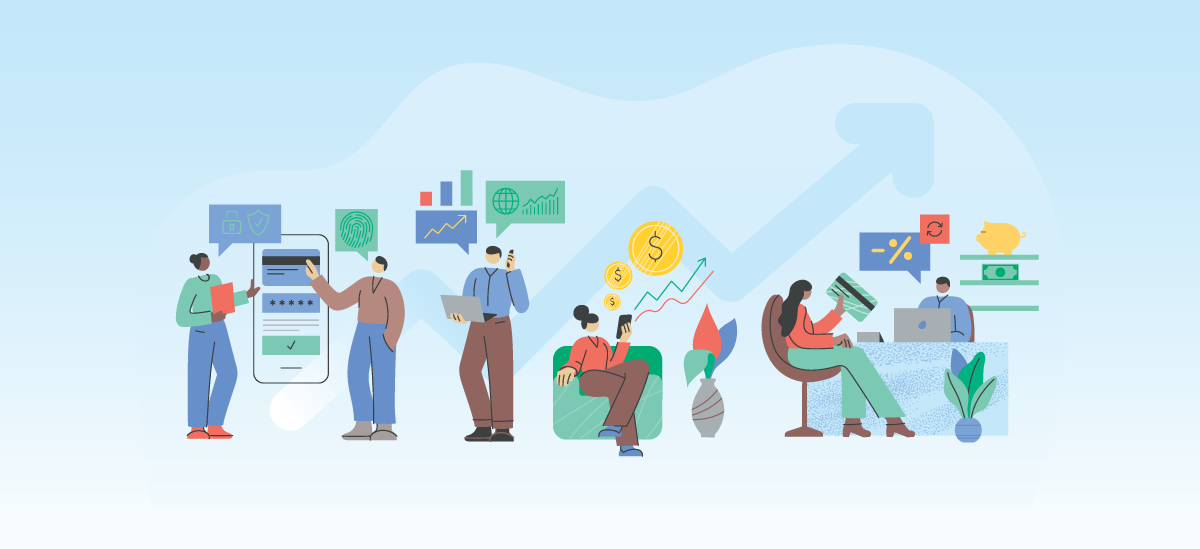
Digital tools can help simplify routine activities, while in-person guidance may be helpful for navigating complex decisions. Learn how to use the right channel for the right task.
- Handle routine banking activities, such as transfers, deposits, and bill pay, through digital channels for speed and convenience.
- Understand which financial decisions, such as opening a loan, changing account information, or coordinating business transitions, benefit from a conversation with a banker.
- Pair digital banking tools and human insights and guidance to get the best of both worlds.
Digital banking can be a helpful solution for busy small business owners. It makes it simple to conduct day-to-day banking activities, such as checking your balance, transferring money, or paying a vendor, with just a few taps on your smartphone.
However, convenience isn't the only priority when it comes to managing finances. While a banking app can handle most routine activities, some decisions benefit from an in-person conversation with an experienced banker, who can help you compare options, mitigate risks, and achieve better outcomes.
A digital-first banking experience is not the same as a digital-only one, and a bank that understands the distinction delivers the best of both worlds. Here's what to know to match the right banking channel to the right tasks.
Digital Banking Tools Handle Routine Financial Tasks
Digital banking tools are built for speed and convenience, and a 95% adoption rate reflects their popularity.[1] They meet day-to-day banking needs, giving business owners the option to check on funds from wherever they are.
Both digital and in-person banking are valuable in their own right. But having the option to complete these routine banking activities in a digital format may be especially helpful:
- Account monitoring. See your account balance and banking activities in real time to stay on top of your cash flow and financial health.
- Transfers. Move funds or send money from business accounts with a few taps.
- Remote deposits. Deposit checks using a phone camera or desktop scanner.
- Receiving payments. Use ACH Debit or merchant services to get paid faster.
- Bill pay and ACH. Schedule recurring payments to employees, vendors, or contractors to lower administrative burdens.
- Alerts. Set low-balance or large-transaction alerts to keep an eye on your finances without logging into your accounts.
- Fraud prevention. Manage fraud mitigation safeguards, such as Positive Pay and ACH debit authorization, to help protect your finances.
Digital banking channels may help speed up these routine, repetitive tasks. However, not all finance decisions should be conducted digitally or be automated. Human attention actually makes a difference in critical transactions and services.
A Trusted Banker Supports Complex, High-Stakes Decisions
Digital banking channels excel in handling transactional activities. However, most small business owners still value in-person banking relationships. Additionally, fraud attempts occur most frequently in digital and remote channels, meaning fraud risk is lower in in-person transactions.[2]
Having digital banking tools at your disposal doesn't mean that in-person banking isn't a valuable option when the need arises. When it comes to certain banking activities, it may be helpful to opt for an in-person interaction:
- Lending decisions. You need advice on different types of loans (e.g., a term loan, a line of credit, or SBA financing), based on the specifics of your business.
- Fraud concerns. A banker can help guide you through the next steps and take immediate remediation actions if something on your account raises a red flag.
- Wire transfers. Wires can be difficult to reverse, and a conversation with a banker helps safeguard against costly mistakes.
- Account changes. A banker helps handle updates that require detailed and accurate documentation, such as adding signers, restructuring accounts, or updating business ownership, to avoid errors.
- Business transitions. Whether you're opening a new location, adding a partner, or preparing to sell a business, a banker can help coordinate various aspects of a banking relationship to help ensure a seamless transition.
These banking activities or financial decisions benefit from the support of an experienced banker who understands your business. For instance, they see patterns across similar businesses and can help recommend new strategies or solutions. They also understand the context behind these types of business decisions, providing insights that may help avoid mistakes and maximize outcomes.
Using the Right Banking Channel for the Right Task
Digital channels may save time and effort on routine banking tasks. But being digital-first doesn't mean digital-only. The convenience offered by digital banking tools should complement, not replace, guidance from a trusted advisor for critical financial decisions or complex banking processes.
That's why more small business owners choose a bank that offers the best of both worlds — advanced digital banking tools for routine transactions and a physical presence, where they can meet with their bankers to discuss high-stakes transactions.
Schedule an appointment with a PNC business banker to see how we can help you maximize the power of digital banking while also accessing expert, personalized guidance through experienced professionals.